Seven RV Maintenance Tips For New RV Owners
Welcome to the wonderful world of RVing! If you’re a new RV owner, you already know that your home on wheels comes with its own set of challenges—and joys. Whether you’re planning long journeys to full service RV parks or simply storing your rig in full service RV storage during the off-season, a little routine maintenance goes a long way. In this article, we’ll explore seven crucial RV maintenance tips that will help you keep your vehicle in top shape, save money, and enjoy the freedom of the open road with confidence.
1. Regular Inspection and Cleaning
Just like your car, your RV requires regular inspections to spot potential issues before they become major problems. Start with a thorough cleaning—both inside and out. Wash the exterior to remove dirt, debris, and road salt that could cause corrosion over time. Clean the roof and undercarriage, and don’t forget the windows and seals. A clean RV isn’t just about aesthetics; it prevents mold, rust, and damage from the elements.
For more detailed cleaning techniques and maintenance advice, check out articles on reputable RV maintenance blogs like RVshare’s blog and Talk of RV.
2. Routine Engine and System Check-Ups
Your RV’s engine and onboard systems are the heart of your mobile home. Regular oil changes, coolant checks, and battery maintenance are essential. Even if your RV is a motorhome, don’t forget to check the condition of the brakes, tires, and suspension. Many RV owners find that scheduling a professional service at least once a year can help catch issues early.
It’s wise to set up a maintenance log to record all services and inspections. This practice not only ensures you’re up-to-date with your vehicle’s needs but also adds value if you ever decide to sell your RV. For expert insights on engine maintenance, explore tips on RV maintenance blogs like Motorhome.com.
3. Focus on the Roof
One of the most critical—and often overlooked—parts of your RV is the roof. Leaks and water damage can lead to expensive repairs if not addressed promptly. Regularly inspect the roof for cracks, blistering, or worn seals. Clean debris off the roof and consider applying a protective sealant as recommended by experts in the industry.
For additional roof care advice, you might visit RV travel sites that focus on DIY maintenance projects, such as RV Repair Club.
4. Check and Maintain Your Tires
Tires are the unsung heroes of every RV adventure. Keeping them in optimal condition is crucial for safety and performance. Check the tire pressure frequently, and always carry a portable tire gauge. Inspect for signs of wear and tear, such as cracks or uneven tread, and replace them as needed. Proper tire maintenance not only improves fuel efficiency but also prevents blowouts on long trips.
For more detailed tire maintenance advice, consider reading expert articles on Full Time RV websites and blogs dedicated to RV care.
5. Maintain Your RV’s Plumbing and Electrical Systems
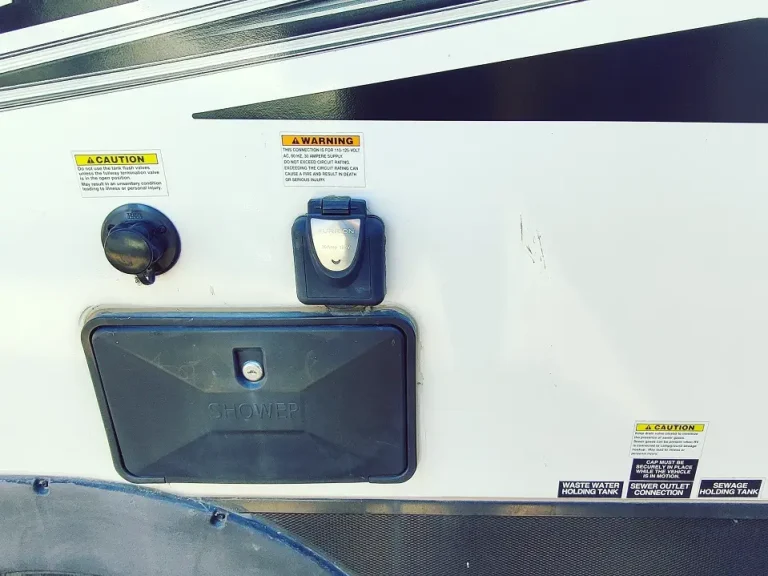
Plumbing and electrical systems in an RV operate differently from those in a traditional home. To avoid unexpected failures, run through your water systems regularly. Drain and flush tanks as recommended by your manufacturer, and inspect pipes for leaks or blockages. Likewise, check the electrical components, including wiring and fuses, to ensure everything is running smoothly.
RV maintenance blogs and travel sites often offer DIY troubleshooting guides and repair tips. For further reading, explore content on RV Life Magazine.
6. Seasonal Preparations
Seasons can be tough on your RV. In colder months, make sure to winterize your rig properly. This involves draining water systems to prevent freezing and adding antifreeze where necessary. In warmer seasons, inspect air conditioning systems and ensure all seals are secure to keep your RV cool during those hot summer road trips.
Seasonal maintenance isn’t just about protection; it also helps extend the life of your vehicle. Check out seasonal checklists and tips from RV maintenance blogs like RVshare’s blog.
7. Keep an Eye on Full Service Facilities
Whether you’re staying at full service RV parks or using full service RV storage, these facilities often offer maintenance services or recommendations for trusted service providers. Taking advantage of these resources can help you perform necessary upkeep without the hassle of DIY repairs, especially for more complex systems like HVAC or engine mechanics.
By integrating professional maintenance services periodically, you ensure that every aspect of your RV gets the specialized attention it deserves. For more information on selecting the right service providers, visit RV travel blogs such as RV Life Magazine and manufacturer support pages.
Frequently Asked Questions (FAQ)
Q: What regular maintenance should be done on a RV?
A: Regular maintenance for an RV includes routine inspections, cleaning both the exterior and interior, checking and changing the oil, monitoring tire pressure, maintaining the roof, and ensuring all plumbing and electrical systems are in good condition. Don’t forget seasonal preparations like winterizing or summer cooling checks. Following a regular schedule can prevent costly repairs and keep your adventures worry-free. For detailed checklists, refer to articles on reputable sites like RVshare’s blog.
Q: What should a first time RV buyer know?
A: First-time RV buyers should understand that an RV is not just a vehicle—it’s a home on wheels. This means regular maintenance is crucial for safety and longevity. Research different types of RVs, be aware of storage and maintenance costs, and choose a model that fits your travel style. Additionally, get to know the network of full service RV parks and storage options available in your area, as these can be lifesavers when traveling or during off-seasons. Detailed buying guides can be found on industry sites such as RV Life Magazine.
Q: What I wish I knew before buying an RV?
A: Many seasoned RV owners say they wish they had known the importance of regular maintenance and the cost of upkeep. It’s not just about the initial purchase price—ongoing maintenance, repairs, and even seasonal preparations can add up. Knowing how to care for your RV and planning for these expenses can save you stress and money down the road. Reading experiences on RV travel blogs like Motorhome.com can provide valuable insights from those who have been in your shoes.
Q: What is the average lifespan of an RV?
A: With proper care and regular maintenance, an RV can last anywhere from 20 to 30 years. The lifespan largely depends on how well the RV is maintained, the frequency of its use, and the conditions it is exposed to. Routine upkeep—like those discussed above—plays a huge role in extending your RV’s life, ensuring you have many years of adventures ahead. More detailed longevity studies and maintenance tips can be found on specialized RV blogs and manufacturer websites.
Wrapping Up
Owning an RV is an exciting adventure that combines freedom, travel, and a bit of hands-on maintenance. By following these seven essential tips, you’ll not only extend the life of your RV but also enhance your travel experiences. Regular inspections, thorough cleaning, engine and tire maintenance, and taking advantage of professional services at full service RV parks and storage facilities will keep your rig in peak condition.
Remember, the key is consistency—establish a maintenance routine and stick with it. And when in doubt, refer to trusted resources from industry experts. Whether you’re exploring the scenic routes or relaxing at a full service RV park, a well-maintained RV ensures that your journeys remain safe, fun, and stress-free.
Happy RVing, and safe travels!